Unlocking the British Dream: A Comprehensive Guide to UK Company Formation for Foreign Entrepreneurs

So, you’re thinking about taking your business global, and the United Kingdom has caught your eye? It’s a classic choice, and for good reason. London remains a global financial powerhouse, and the UK’s legal framework is one of the most business-friendly environments on the planet. Whether you’re a tech founder from Silicon Valley, an e-commerce mogul from Dubai, or a creative consultant from Singapore, setting up a UK ‘Private Limited Company’ (LTD) is a strategic move that can lend instant prestige to your brand.
But before you start imagining your office overlooking the Thames, there’s a bit of paperwork to navigate. The good news? The UK makes it surprisingly easy for non-residents to set up shop. You don’t actually need to live in the UK, be a British citizen, or even set foot on British soil to register a company. However, there are specific nuances you need to understand to ensure your venture stays on the right side of the law and the taxman.




Why the UK? The Strategic Advantage
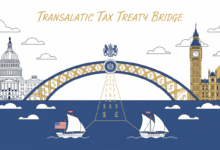
First, let’s talk about the ‘why.’ The UK offers a ‘common law’ system that is predictable and respected worldwide. This makes it much easier to attract international investors who feel comfortable with British contracts. Furthermore, the UK has one of the lowest corporation tax rates in the G7 and an extensive network of double-taxation treaties. This means you likely won’t be taxed twice on the same income by both the UK and your home country.
From a purely psychological perspective, having ‘Limited’ or ‘Ltd’ after your company name carries weight. It signals to customers and partners that you are a serious entity governed by the strict standards of Companies House (the UK’s registrar of companies).
Choosing Your Legal Structure
For the vast majority of foreign entrepreneurs, the Private Limited Company (LTD) is the way to go. It’s a separate legal entity from you personally. If the company hits a rough patch and goes into debt, your personal assets (like your car or house) are generally protected. This ‘limited liability’ is the cornerstone of modern capitalism.
Other options include a Limited Liability Partnership (LLP), often used by law or accounting firms, or a Public Limited Company (PLC) if you’re planning to list on the stock exchange immediately (which, let’s be honest, most of us aren’t on day one).
The Essential Requirements
To get the ball rolling, you’ll need a few key ingredients:
1. A Unique Company Name: It can’t be the same as (atau even too similar to) an existing name. You can check this easily on the Companies House website.
2. Directors and Shareholders: You need at least one director (who must be at least 16 years old) and at least one shareholder. Conveniently, this can be the same person. You don’t need to be a UK resident to be a director.
3. Registered Office Address: This is where the magic happens—or at least where the mail goes. This must be a physical address in the UK. Since many foreign founders don’t have a UK office yet, most use a ‘Virtual Office’ service. This provides you with a prestigious address in London or Manchester while you work from your sofa in another country.
4. SIC Codes: You’ll need to select a Standard Industrial Classification (SIC) code that describes what your business actually does.

The Registration Process: Fast and Furious
Unlike some countries where company formation takes weeks of bureaucratic back-and-forth, the UK is lightning fast. If you use the online filing system, your company can often be incorporated within 24 hours.
You will need to submit two vital documents: the Memorandum of Association (a legal statement signed by all shareholders agreeing to form the company) and the Articles of Association (the ‘rulebook’ for how the company is run). Most people use ‘model articles,’ which are standard templates provided by the government that work perfectly for most small-to-medium businesses.
The Biggest Hurdle: Business Banking
Here’s the part where we get real: opening a traditional high-street bank account in the UK as a non-resident is… difficult. Banks like Barclays or HSBC have strict ‘Know Your Customer’ (KYC) rules and often require at least one director to be a UK resident.
Don’t panic, though. The ‘FinTech’ revolution has saved the day. Digital-first providers like Wise (formerly TransferWise), Revolut Business, and Airwallex are much more welcoming to international entrepreneurs. They allow you to get a UK sort code and account number without needing to fly to London for an in-person interview. These accounts are perfectly valid for paying taxes and receiving client payments.
Taxation and Compliance: Keeping the Taxman Happy
Once your company is born, you have a new friend: HMRC (Her Majesty’s Revenue and Customs). Your UK company will be liable for Corporation Tax on its global profits. You’ll need to file an annual tax return and statutory accounts every year.
If your turnover (sales) exceeds £90,000 in a rolling 12-month period, you must register for VAT (Value Added Tax). Even if you aren’t at that level yet, some businesses register voluntarily to reclaim the VAT they pay on business expenses.
Also, keep an eye on the PSC Register (Persons with Significant Control). The UK government wants to know who actually ‘pulls the strings’ of the company to prevent money laundering. If you own more than 25% of the shares, you’re a PSC, and your details will be on the public record.
Can I Move to the UK?
Setting up a company does not automatically give you the right to live in the UK. If you want to move there to run your business, you’ll need a visa. The Innovator Founder Visa is the primary route for entrepreneurs with an ‘innovative, viable, and scalable’ business idea. This requires endorsement from an approved body. It’s a higher bar to clear than just registering a company, but it’s a viable path for many tech founders.
Final Thoughts
Forming a UK company as a foreigner is an empowering step. It breaks down geographical barriers and places your brand in one of the most respected markets in the world. While the banking and tax compliance aspects require diligence, the process itself is streamlined and accessible.
So, if you’ve got a vision and a bit of grit, the UK is open for business. Just remember to get a good virtual address, look into digital banking, and perhaps start practicing your British English—though, thankfully, ‘good business’ is a language everyone understands.